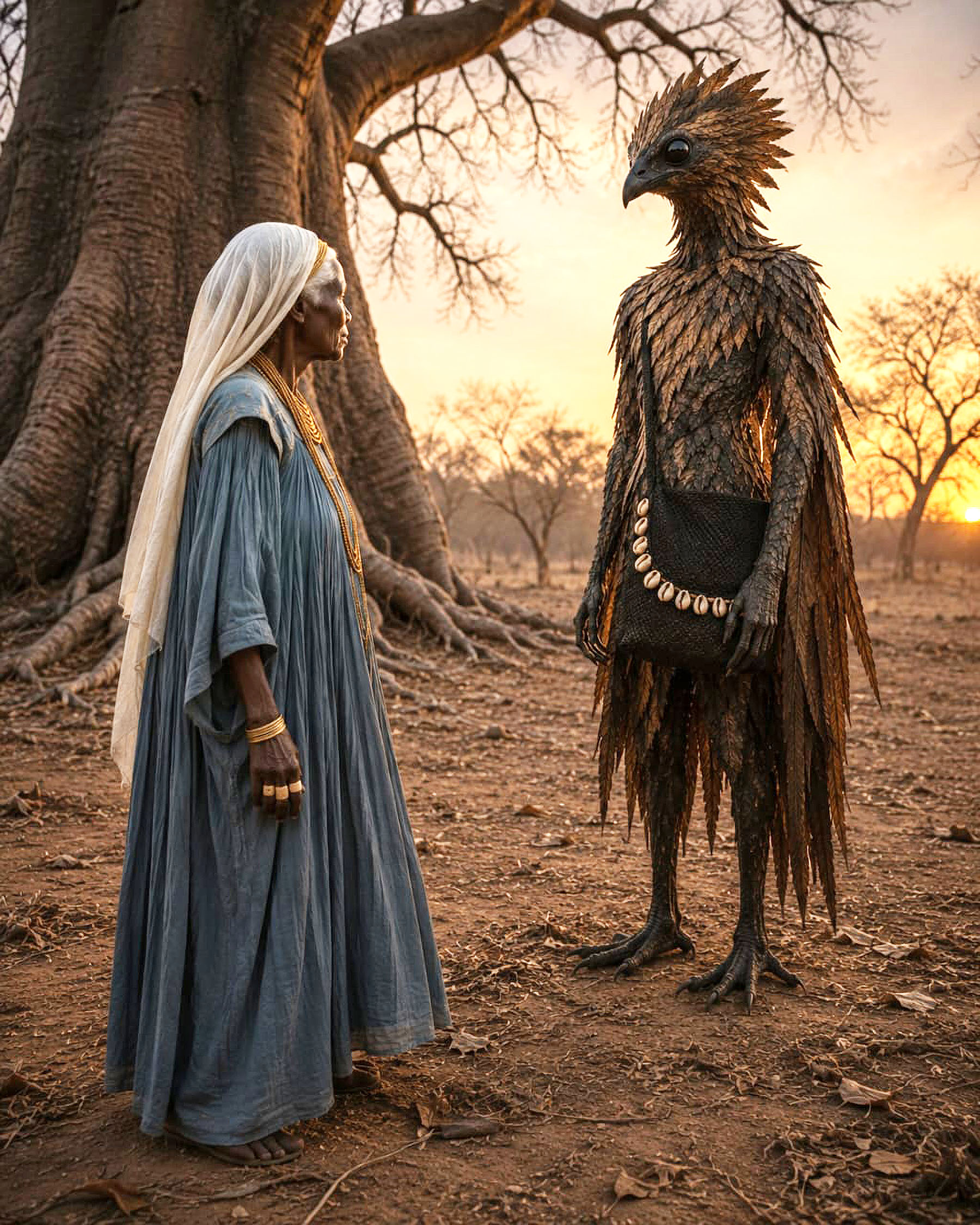
This story about the consequences of a bad market goes back to a woman who lived in ancient Egypt, and the first sign of her hardship was in the condition her hands.
Labour had transformed them over the years until nothing soft remained of a woman’s hands. Thick ridges ran across her palms, and deep lines cut through her fingers the way dry channels cut through earth after many seasons without rain. Her knuckles had swelled from grinding grain, from lifting baskets onto her head morning after morning, from a lifetime spent counting and exchanging goods under the same sun. A stranger passing through the market could see her entire history without asking a single question, which was more than most husbands managed to know after twenty years of marriage.
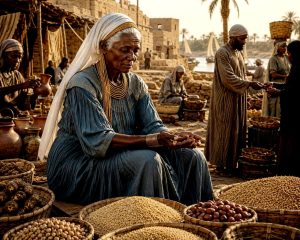
She made her living the way thousands of women did in her generation, and the sun rising each morning was never a guarantee of anything. Every day demanded fresh labour before it would yield fresh food. Yams were traded for salt. Grain were exchanged for oil. Clay pots bartered for flour, and cloth passed from one family to another in exchange for dried fish or vegetables nobody had grown themselves. Nothing entered that market without someone’s effort behind it first. A basket of grain held the field it came from inside it. A bundle of firewood held the hours a person had spent bent under the sun to gather it. A handful of flour held the grinding, the drying, the sifting that had gone into it before it ever reached a buyer’s hand. The exchange itself was the value, because two people were placing the work of their own bodies into each other’s keeping, and everyone in that market understood the countless hours that went into each exchange without needing it explained.
There were certain customers that came as the market prepared to close, when the shadows of the evening had begun stretching long across the ground. One bought palm oil. Another measured out cloth or filled a small bowl with groundnuts. Nothing in their manner seemingly set them apart from the ordinary traders who passed through every single day. But their coins felt different once they placed the money in her palm. They carried a coldness that had no business belonging to metal that size, and a heaviness that made no sense either. Still, the transaction closed the way any other transaction closed. The customer walked off. The market shut down for the evening. Then, sudden unexplained losses began to take place. The money sat in her purse looking exactly as it had an hour earlier on any given day, yet it seemed to have lost whatever value it once carried. A new oil jar suddenly split open with nothing near it to cause it to shatter. New cloth from the loom unraveled after only a few days of wear. Grain harvested rotted before the time of its expiration day. Prosperity that was once enjoyed by a household began to slip out of hands of the family through gaps nobody could point to, and no trader in that market, however sharp, could account for where it had gone.
The old woman believed some kind of darkness entered the exchange in those transactions, that certain payments were tied to spiritual wickedness acts carried out in secret rituals before entering the market that fed one household through draining another. What one family gained, a second family lost, and the ledger balanced itself somewhere no one could see. She began to witness seasons when healthy fields withered before harvest. Children who had been running and laughing days earlier fell into fevers no one could explain. Roofs collapsed in months with no rain or act of nature to blame for it. Livestock dropped dead with no sickness visible or reasonable cause of death. Neighbors called each misfortune its own separate accident. But she never did. To her mind they were all links in the same chain. She had watched enough of them fall to know a pattern when it repeated itself in front of her….
Related Posts